
The Uses of Fantasy
Journey to the End of the NightThis flow traces fantasy as both a poor person’s consolation and a mechanism that can distort work, love, and public identity.
increasing Bearing strength in each event
 decreasing
Bearing strength in each eventdecreasingThe Fantasy of Heroism
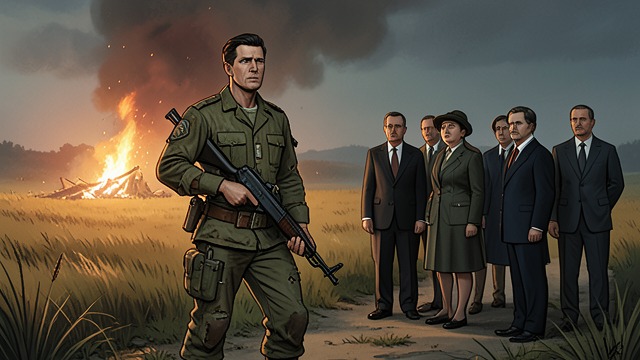
The Fantasy of Heroism
Stories replace experience
Bardamu and other wounded soldiers invent exploits that please visitors and officials. Their stories allow them to occupy a heroic role without having lived it.
A temporary escape
The performance offers attention and status, but it cannot erase fear. Fantasy comforts the wounded while making the distance between public identity and private experience more obvious.
The American Dream
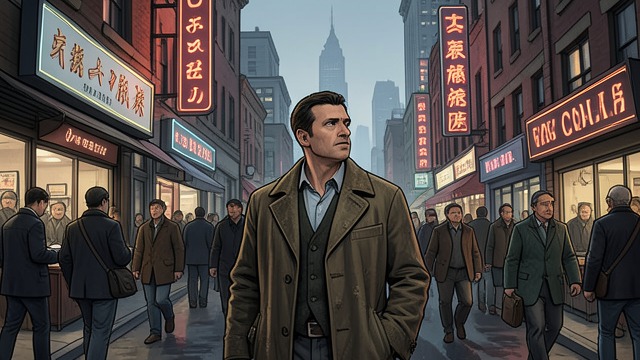
The American Dream
A promised world
Bardamu expects America to fulfill the possibilities he associates with Lola and its celebrated women. The imagined destination gives him energy during his difficult passage.
Reality at street level
New York’s crowds and commercial spectacle do not offer him belonging. His dream survives only intermittently, sustained by movies and remembered desire.
The Rich Man’s Houseboat
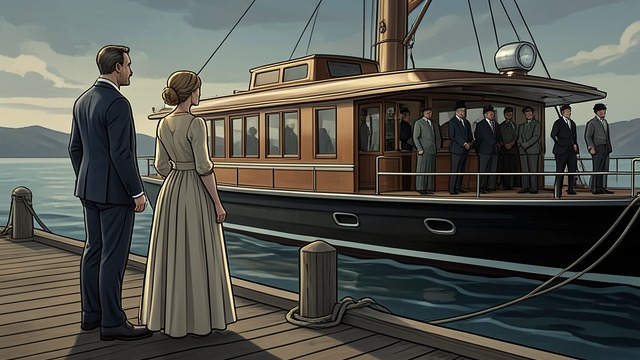
The Rich Man’s Houseboat
A vision of ease
Robinson imagines the cost and luxury of a private houseboat while its wealthy owners offer the group hospitality. For a moment, the poor visitors borrow the atmosphere of another class.
Lies as currency
Bardamu and Robinson invent credentials to make themselves seem at home. Their fantasies briefly bridge social distance but reveal how exclusion shapes their self-presentation.
The Carnival’s Promise
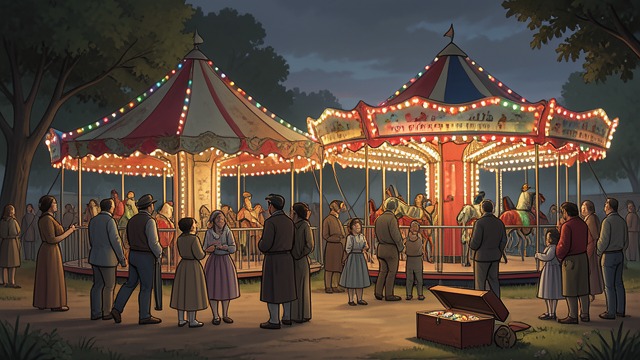
The Carnival’s Promise
Amusement for sale
The carnival offers music, rides, prizes, and the suggestion of escape from ordinary misery. Its attractions invite families to buy small units of happiness.
The promise wears thin
For Bardamu and his companions, the attractions cannot revive intimacy or youth. The carnival’s spectacle only makes their disappointment more visible.
The Final Unfinished Dream
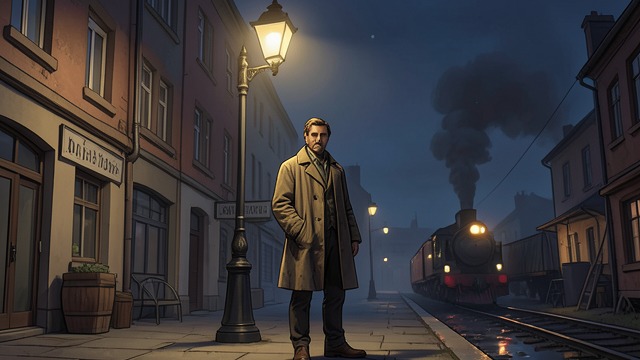
The Final Unfinished Dream
A heroic counterfactual
Bardamu imagines possessing one powerful idea capable of giving courage and love to everyone. The vision answers, however briefly, the emptiness left by Robinson’s death.
Fever rather than faith
He recognizes that the fantasy cannot become his real life. Imagination still offers a momentary lift, but it cannot reverse loss or end the journey.
During Bardamu’s hospital recovery
Before and during Bardamu’s arrival in New York
During the excursion near Toulouse
During the winter carnival near the ending
After Robinson’s death
